
Things You Need to Know About CRM Management Software
Reading time: 6 minutes
In the future, CRM management software is expected to play an increasingly important role in optimizing customer interactions. Therefore, let’s explore the key aspects of CRM management software and the practical benefits it offers.
What is CRM?
CRM is a technology platform that allows businesses to aggregate customer data, analyze information, and create valuable interactions. This helps businesses not only better understand their target customers but also build sustainable relationships and create long-term value.
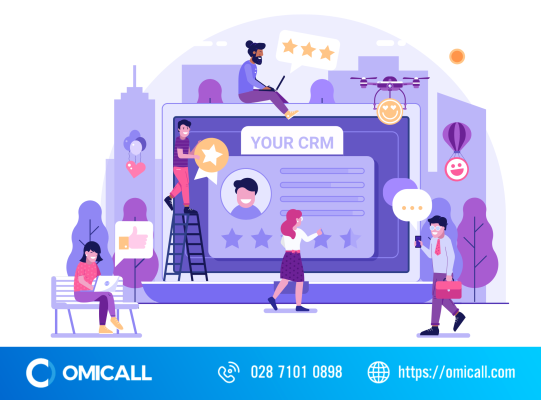
What is CRM?
Reasons Businesses Choose CRM
The business world is increasingly recognizing the importance of maintaining good relationships with customers. This is why many businesses choose to implement a CRM system.
Optimizing Interactions
By tracking customer purchase history and interactions, CRM allows businesses to personalize interactions, improve customer understanding, and build engagement.
Improving Sales Performance
CRM systems provide detailed information about customers and their interactions, helping sales staff understand customer needs and optimize the sales process.
Data Analysis
Through analyzing data on customers, purchases, and business performance, businesses can guide their development strategies, optimize campaigns, and seize new opportunities.
Opportunities from CRM for Businesses
The impact of CRM is not limited to the sales department, but extends to many other roles within the business:
Marketing Department
CRM provides data to identify target audiences, customize marketing campaigns, and measure effectiveness.
Accounting Department
CRM systems help track payment status, manage contracts, and improve financial processes.
Customer Support Department
CRM helps track support requests, provides relevant information to optimize response times, and resolve issues.
Key Features in a Customer Relationship Management System
For a CRM system to function effectively, it needs to be equipped with the following key features:
Contact Management
The system stores personal information, contacts, and interaction history of customers, helping to build detailed profiles of each customer.
Sales Management
From tracking progress from the lead generation stage to the completion of a transaction, CRM systems help businesses maintain an efficient sales process.
Marketing and Campaign Management
CRM provides the ability to create and track marketing campaigns, from sending emails to online advertising, creating seamless interaction.
Customer Support
The system helps track customer support requests and provides quick solutions by aggregating relevant information.
Popular CRM Software Types
Currently, there are several popular types of CRM software on the market:
- On-Premises CRM: This type requires deployment on the company’s infrastructure and needs to be managed by an internal IT team.
- Cloud-Based CRM: Cloud-based systems, offered as a service, reduce the burden on hardware and management.
- Open-Source CRM: This is a system that allows for customization, expansion, and improvement to meet the specific needs of a business.
Trends in CRM Usage in Businesses
Today’s businesses are adopting CRM usage trends such as:
Multi-platform integration
Businesses are combining multiple interaction channels such as websites, social media, and email to optimize customer experience.
Intelligent data analytics
Combining artificial intelligence and data analytics to better understand customer behavior, thereby customizing business strategies.
Focused integration
Connecting CRM with other systems to seamlessly share information, improving work efficiency.
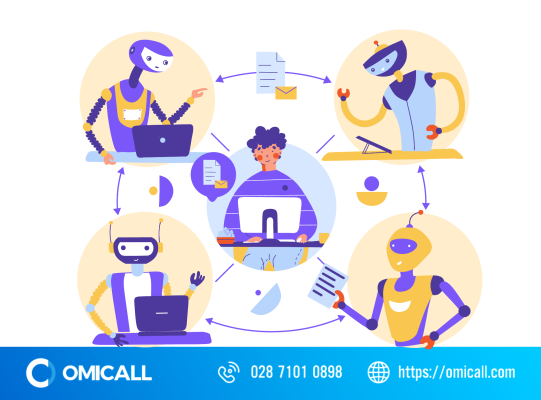
Trends in CRM Usage in Businesses
Changes After CRM Implementation
After implementing a CRM system, businesses experience a series of positive changes and significant improvements in customer management and interaction:
Instant Data Sharing
CRM systems allow for quick and efficient sharing of customer information between departments, enhancing collaboration and mutual understanding.
More Effective Customer Data Management
CRM systems automatically update and manage customer data, giving businesses a more comprehensive and accurate view of their customers.
Reduced Management Costs Through Automation
Automating the customer information management process saves time, increases productivity, and minimizes human error.
Improved Team Connectivity
CRM management software creates opportunities for interaction and information sharing between departments, fostering stronger connections throughout the organization.
Increased Sales Efficiency
By tracking sales processes and customer interactions, CRM optimizes the sales process and improves closing rates.
Enhancing the Intangible Value of the Business
Building strong customer relationships and dedicated interactions helps businesses build credibility and intangible value in the minds of customers.
Optimizing Customer Relationships
CRM provides information about customers and previous interactions, helping to create personalized and professional interaction strategies.
Improving Marketing Campaign Effectiveness
Through data analysis and understanding customers, businesses can create more targeted and effective marketing campaigns.
In Conclusion
Implementing CRM management software brings about a significant transformation for businesses, from data management to building better customer relationships. These positive changes help optimize business processes, improve work efficiency, and build a solid foundation for the sustainable growth of the business.
For more information, please contact:
VIHAT TECHNOLOGY Co., Ltd
Headquarters: ViHAT Building – 06 Street No. 16 (Him Lam Residential Area) – Hiep Binh Chanh Ward – Thu Duc District – Ho Chi Minh City
Hanoi Branch: Floor 15, LADECO Building, 266 Doi Can, Ba Dinh, Hanoi
Cambodia Branch: Thida Rath #154 St. 33MC, Sangkat Steung Meanchey, Khan Mean Chey, Phnom Penh

-
 What is TikTok advertising? Advertising policies and how it works.
-
 Exploring Conceptual Selling – Understanding Modern Sales Trends Correctly
-
 What is a KOC? Distinguishing between KOLs and KOCs.
-
 What Are Customer Insights? Revealing How to Effectively Uncover Them
-
 What is Digital Marketing? 10 Effective Forms of Digital Marketing
-
 What is Online Marketing? Types of Online Marketing





