

What is Remarketing? A powerful strategy for connecting with customers.
Reading time: 7 minutes
When entering the vast world of online marketing, there’s one crucial concept you can’t ignore: “What is Remarketing?”. Remarketing is not only a powerful tool, but also a strategy that determines the success or failure of your marketing campaign. Let’s delve deeper into this concept and its importance in creating stronger connections with customers.

Vietnam’s Leading AI-powered Multi-Channel Virtual Call Center
What is Remarketing?
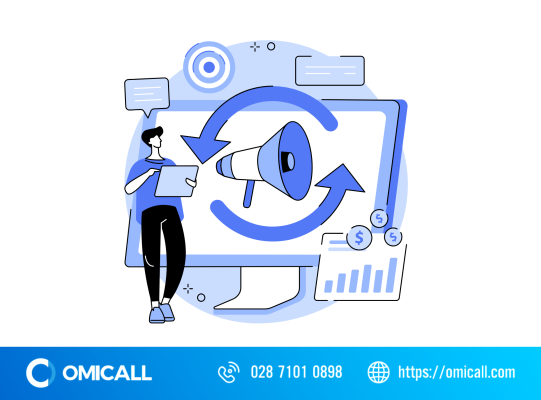
Remarketing is a form of online marketing that helps businesses re-engage customers who have previously visited their website, application, or used their products/services. Through online advertising platforms like Google Ads, Facebook Ads, etc., businesses can create re-displayed ads for these customers to remind them of their products/services and encourage them to make a purchase.
What is Remarketing?
How does Remarketing affect businesses?
Remarketing offers many important benefits for businesses and can positively impact marketing performance and sales. Here are some key effects of Remarketing on businesses:
Increased Conversion Rates
Remarketing creates opportunities for people who have previously shown interest to return and complete a transaction or specific action on your website. This leads to increased conversion rates and sales.
Strengthening Brand Recognition
When users regularly see your ads on various websites and online platforms, they begin to recognize and trust your brand more. This helps build trust and create a stronger connection with customers.
Saving Marketing Resources
Remarketing allows you to focus your reach on people who have already shown interest, saving you marketing resources and advertising budget by not spending on unimportant users.
Creating Intensification
Remarketing helps you track user behavior on your website and customize ads to match their specific interests and needs. This creates a personalized experience, increasing engagement and conversion rates.
Measuring and Tracking Performance
Remarketing provides detailed data on campaign performance, allowing you to track ad impressions, click-through rates, and conversion rates. This helps you adjust your campaigns over time for optimal performance.
What is the Difference Between Retargeting and Remarketing?
Semantics
- Retargeting: Retargeting focuses on using advertising to bring users back to a website after they’ve left. It primarily involves showing ads to users based on their behavior on the website, such as viewing specific products or adding products to their shopping cart, but doesn’t extend to other forms of marketing.
- Remarketing: Remarketing expands the concept of retargeting by using a wider range of marketing methods. It includes not only website display ads but also email marketing, ads on social media platforms like Facebook and Instagram, mobile app ads, and many other channels.
Scope
- Retargeting: Retargeting typically limits the tracking and reach of users on your website or on websites related to display advertising.
- Remarketing: Remarketing expands the reach of marketing by using multiple online and offline communication channels to create connections with customers.
Object size
- Retargeting: Retargeting typically involves reaching people who have specifically interacted with your website, and it can target smaller audiences.
- Remarketing: Remarketing can target a larger audience, including people who have interacted with you across multiple platforms and marketing channels.
Comprehensiveness
- Retargeting: Retargeting focuses on displaying ads to effectively bring users back to your website.
- Remarketing: Remarketing encompasses various marketing methods, allowing you to connect with customers across multiple channels and media, creating a holistic customer experience.
What forms does Remarketing include?
Remarketing encompasses various marketing methods to connect with potential customers and increase conversion rates. Here are some of the main forms of Remarketing:
Remarketing via Display Ads
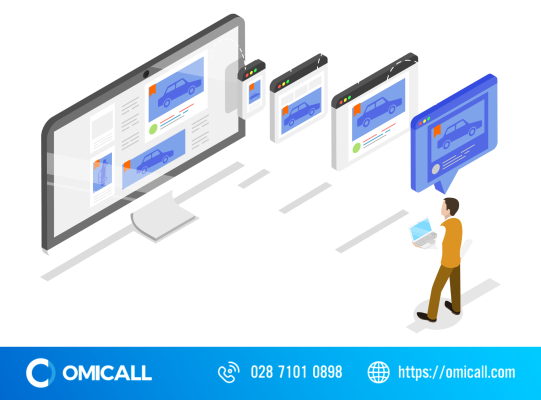
This is the most common form of Remarketing. It allows you to display ads to users on other websites and advertising platforms after they have visited your website. Display ads can appear as banners, images, or videos on partner websites or in advertising networks.
Remarketing via Email
Use email marketing to contact people who have provided their email addresses on your website. You can send follow-up emails, promotional emails, or special offers to encourage them to return and make a purchase.
Remarketing via Social Media Ads
Use ads on social media platforms like Facebook, Instagram, Twitter, and LinkedIn to reach people who have interacted with your website or products. Social ads can be customized based on user behavior data on social media.
Remarketing via Mobile App Ads
Reach users through ads on mobile apps after they have interacted with your app or website. This can encourage app downloads and increase engagement on mobile platforms.
Depending on your goals and target audience, you can choose one or more forms of remarketing to optimize your marketing campaigns and create a stronger connection with potential customers.
What forms does Remarketing include?
4 Simple Steps to Facebook Remarketing
To run a simple Facebook Remarketing campaign, you can follow these four steps:
Define your target audience
First, clearly define the goal of your Facebook Remarketing campaign. You need to decide which audience you want to reach. Facebook offers many options for audience selection, such as people who have visited your website or interacted with your Facebook page. You can refine your audience by using information on previous behavior and interactions.
Create Remarketing Ads
After defining your audience, you need to create suitable Remarketing ads. Be creative with ads that encourage the action you want your audience to take, such as purchasing a product, signing up for a service, or logging into your website. Ensure that the ads contain engaging content and specific offers to encourage action.
Setting a Budget and Timeframe
Determine your daily or total budget for your Facebook Remarketing campaign. Consider how much you will spend each day to ensure financial balance. Also, define the campaign duration, including start and end times.
Monitoring and Optimization
After your Remarketing campaign is launched, you need to monitor its performance. Use Facebook analytics tools to see ad impressions, click-through rates, and conversion rates. Based on this data, adjust the campaign to optimize performance. You can change ad content, budget, or target audience to ensure the campaign achieves the best performance.
In Conclusion
In the future, as you continue to develop your online marketing campaigns, remember that “What is Remarketing?” is not just a question, but a concept you have grasped. It’s key to making your brand stand out, creating strong recognition, and especially building a potential connection with customers. By implementing a smart remarketing strategy, you can optimize your marketing performance and drive business growth. Do this wisely, and you’ll see a significant difference in your results.
For more information, please contact:
VIHAT TECHNOLOGY Co., Ltd
Headquarters: ViHAT Building – 06 Street No. 16 (Him Lam Residential Area) – Hiep Binh Chanh Ward – Thu Duc District – Ho Chi Minh City
Hanoi Branch: Floor 15, LADECO Building, 266 Doi Can, Ba Dinh, Hanoi
Cambodia Branch: Thida Rath #154 St. 33MC, Sangkat Steung Meanchey, Khan Mean Chey, Phnom Penh

-
 What is TikTok advertising? Advertising policies and how it works.
-
 Exploring Conceptual Selling – Understanding Modern Sales Trends Correctly
-
 What is a KOC? Distinguishing between KOLs and KOCs.
-
 What Are Customer Insights? Revealing How to Effectively Uncover Them
-
 What is Digital Marketing? 10 Effective Forms of Digital Marketing
-
 What is Online Marketing? Types of Online Marketing





